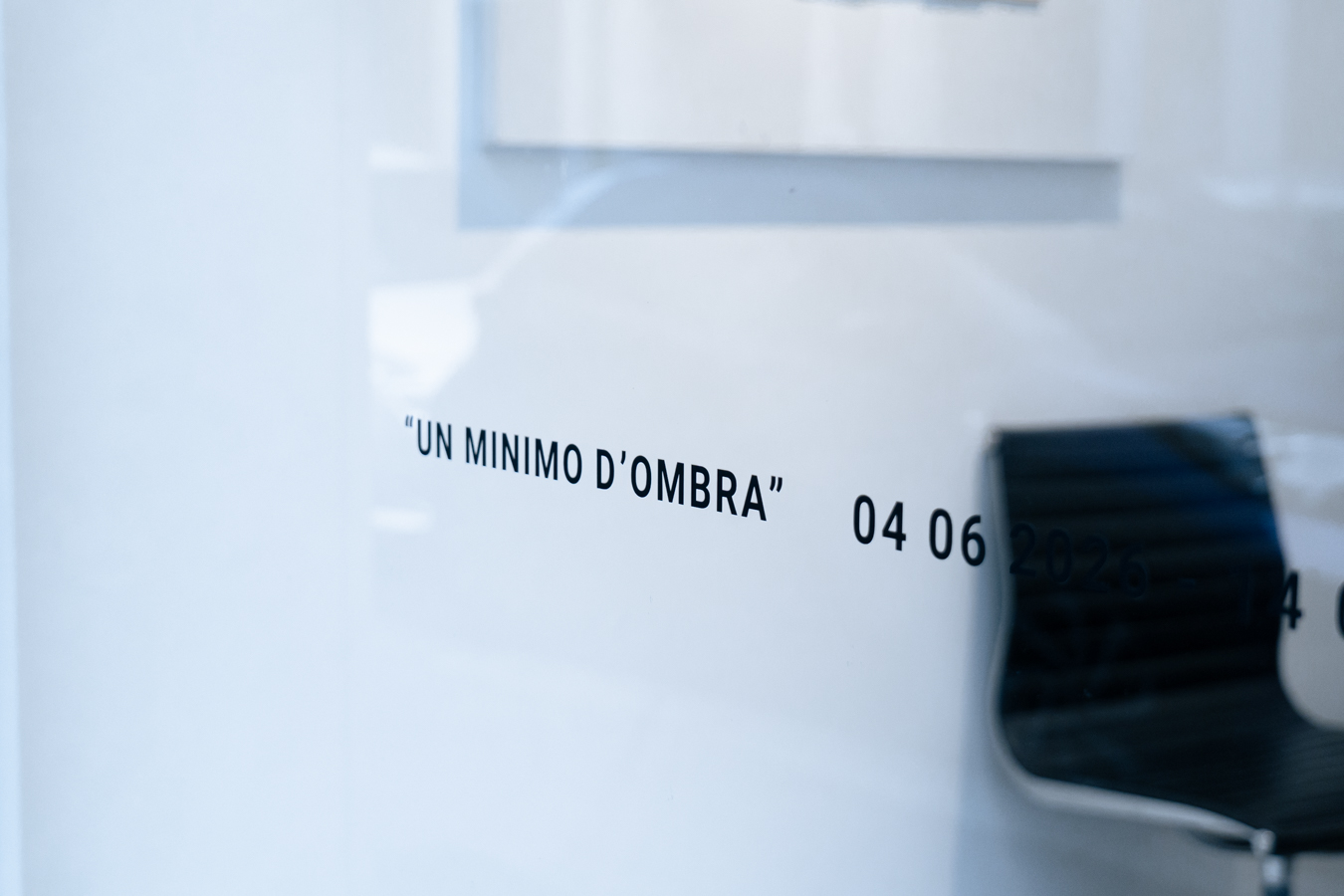
UN MINIMO D’OMBRA
Valerio Ceppetelli Caprini
04. 06. 26 – 14. 06. 26
“Conosco Valerio da molti anni, come amico, come papà di un mio caro amico e seguo da altrettanti anni la sua carriera di artista. È certo che se ospitiamo Valerio per la seconda volta è perché abbiamo una grande stima di lui come artista e come uomo.
Penso e non sono l’unico, che la sua arte, in realtà frutto di un’attività artistica che è maturata probabilmente negli anni necessariamente affiancata da un’attività professionale altra, sia un po’ il riflesso della persona e del modo di essere dell’uomo che l’ha prodotta.
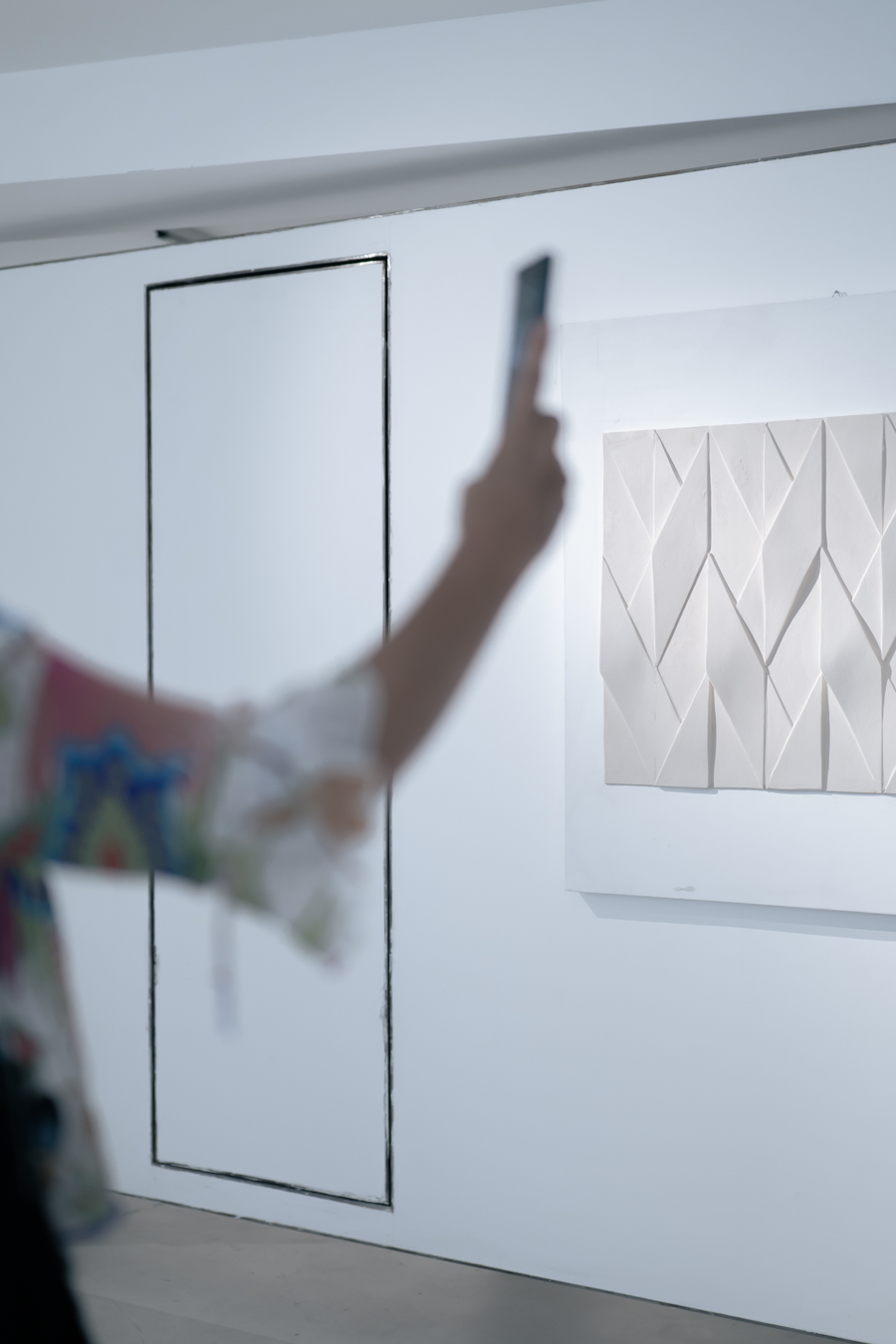
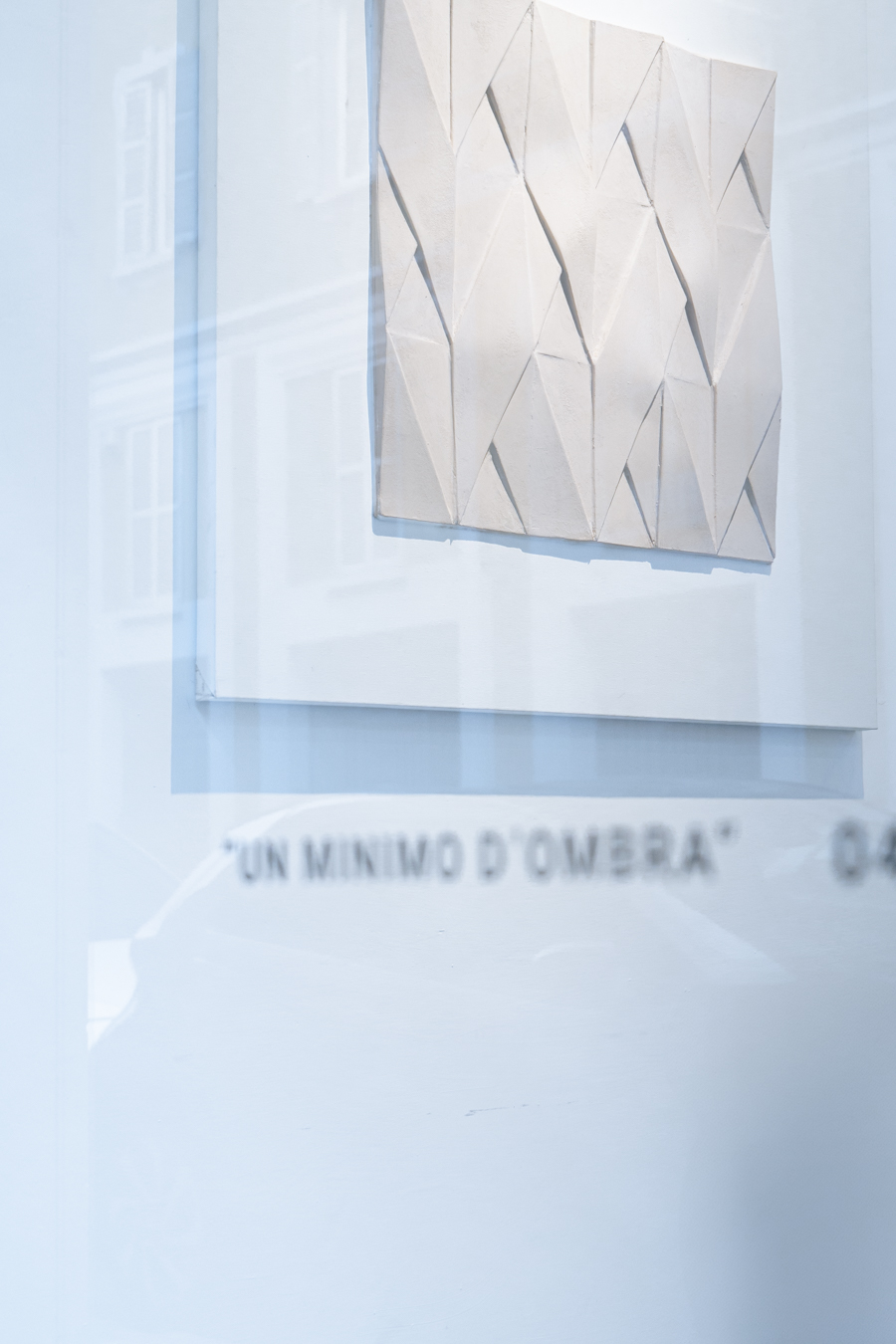
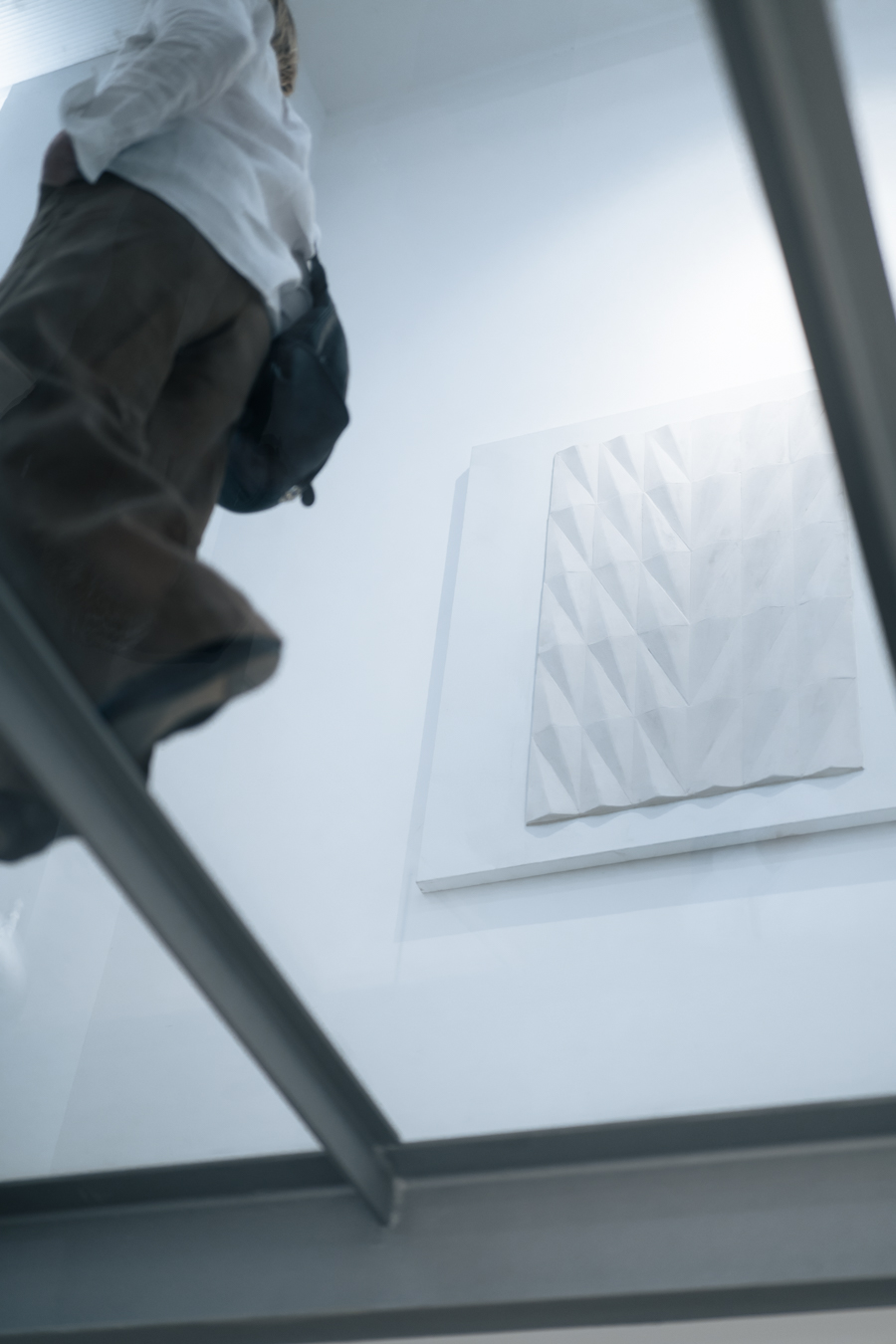
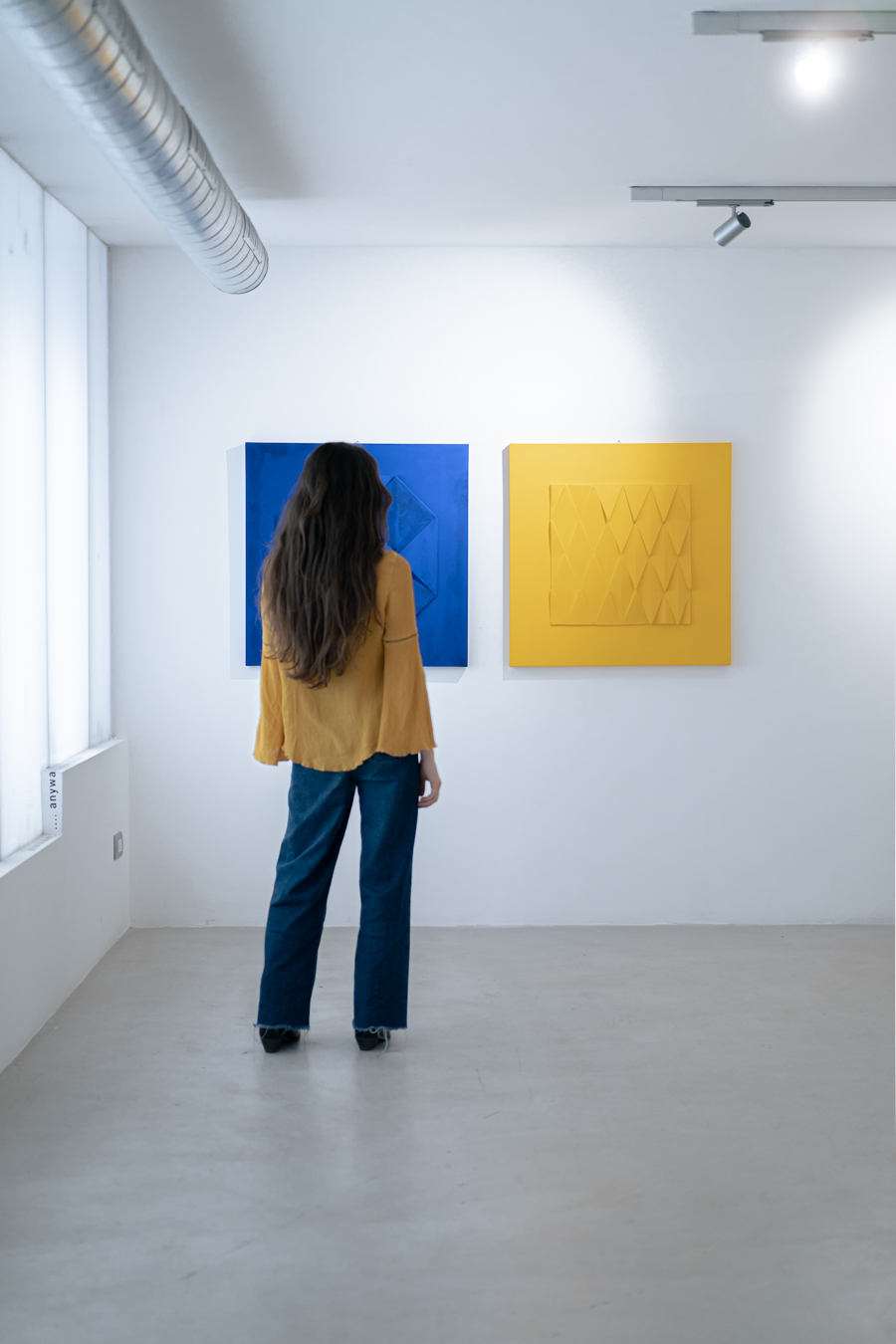
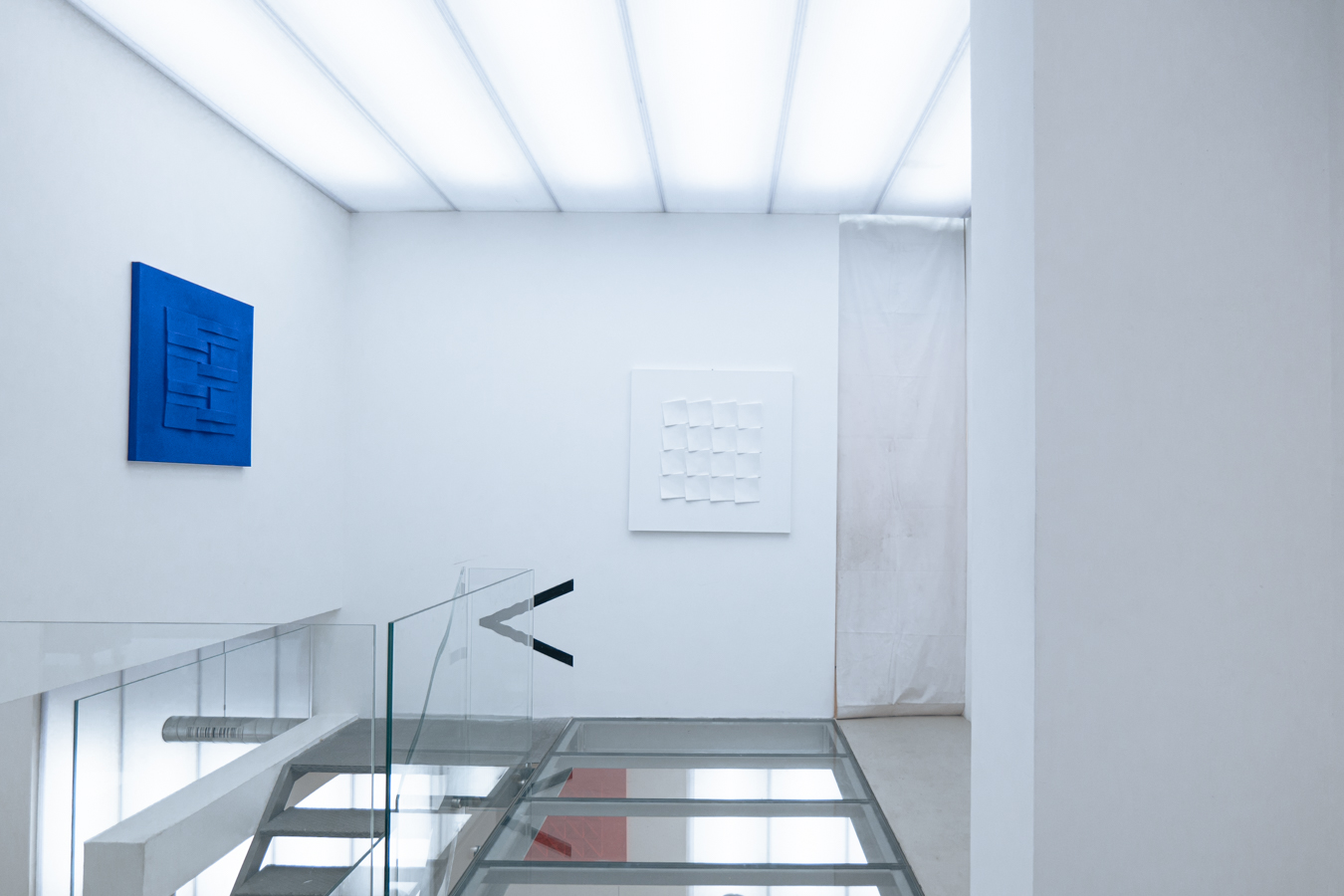
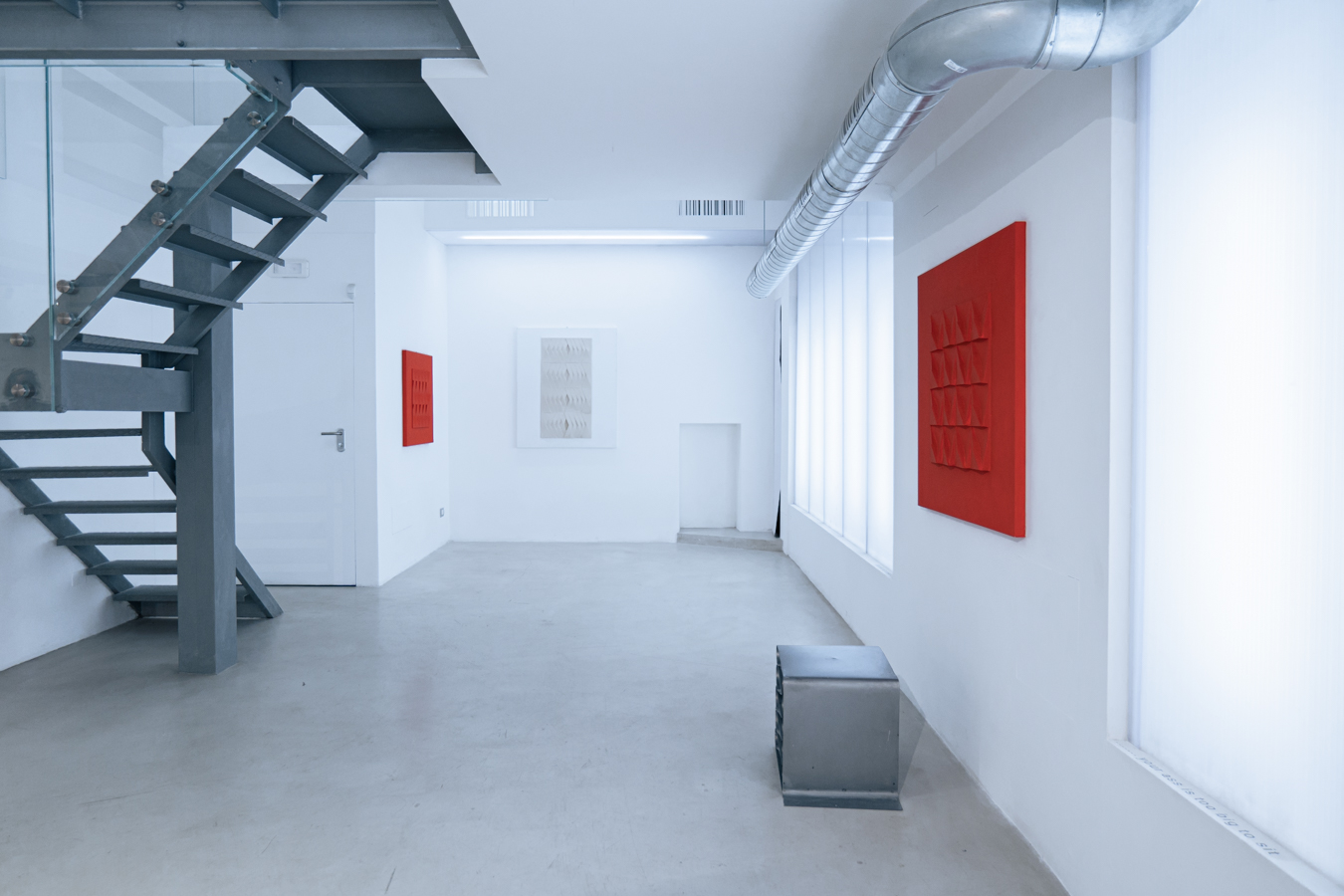
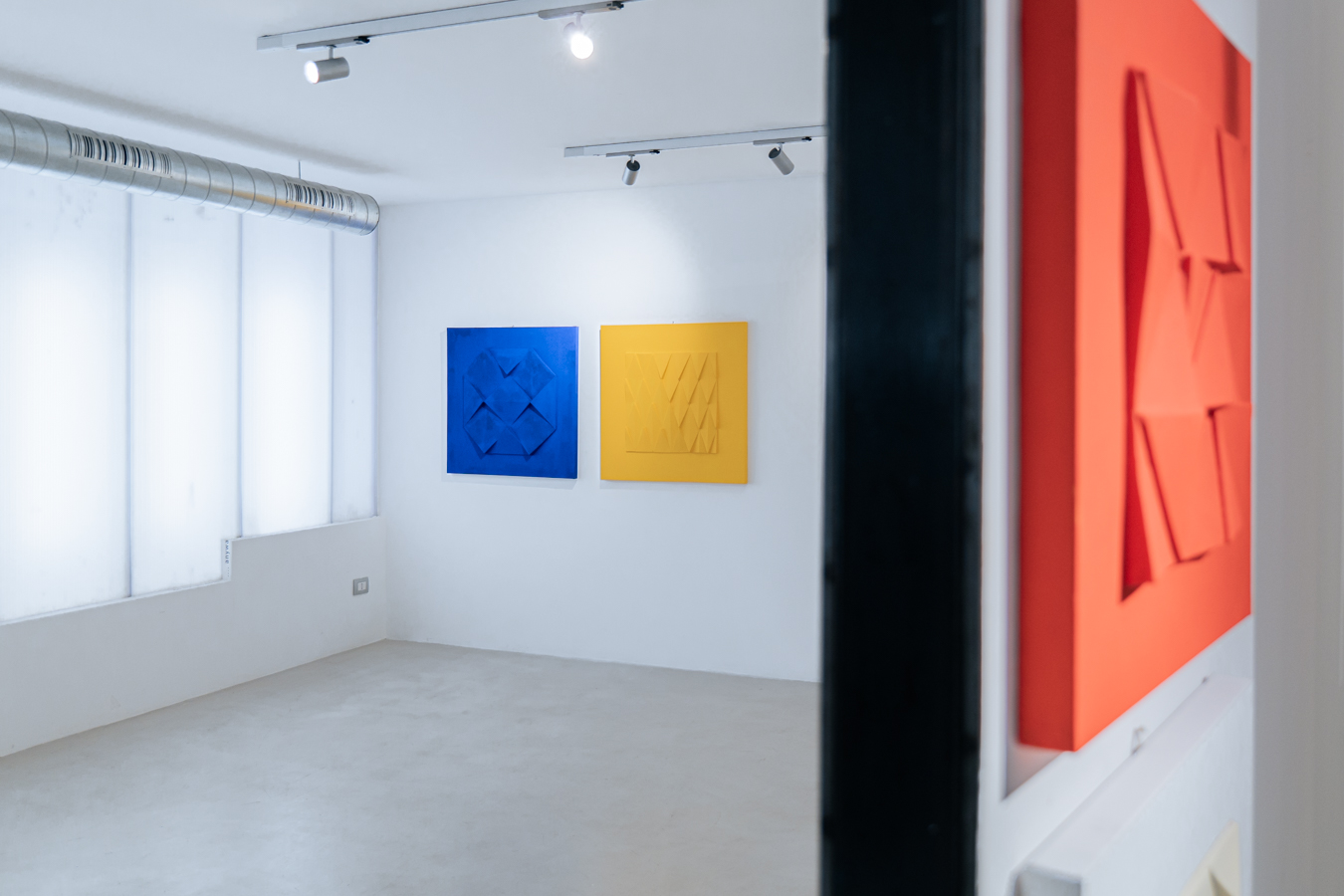
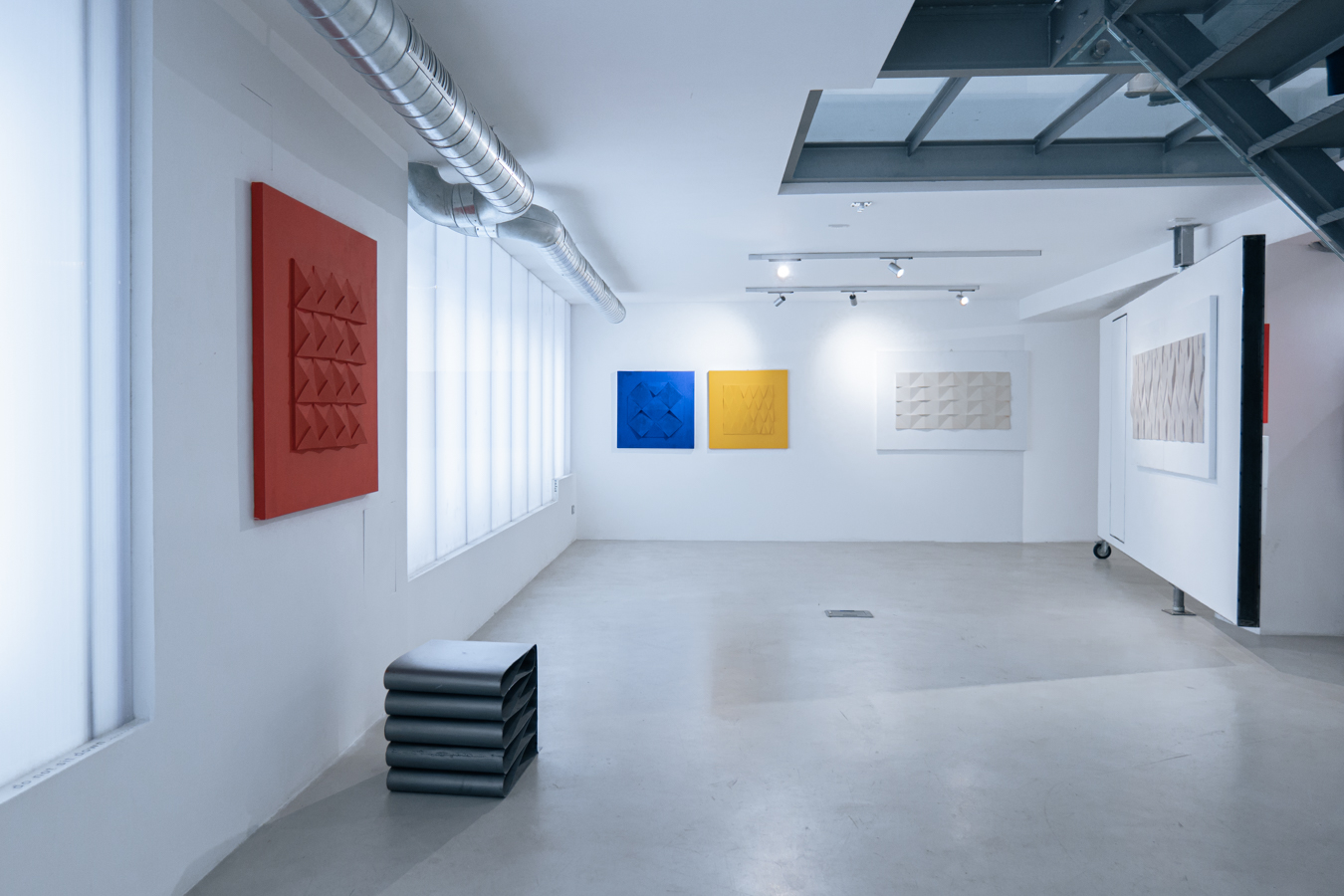
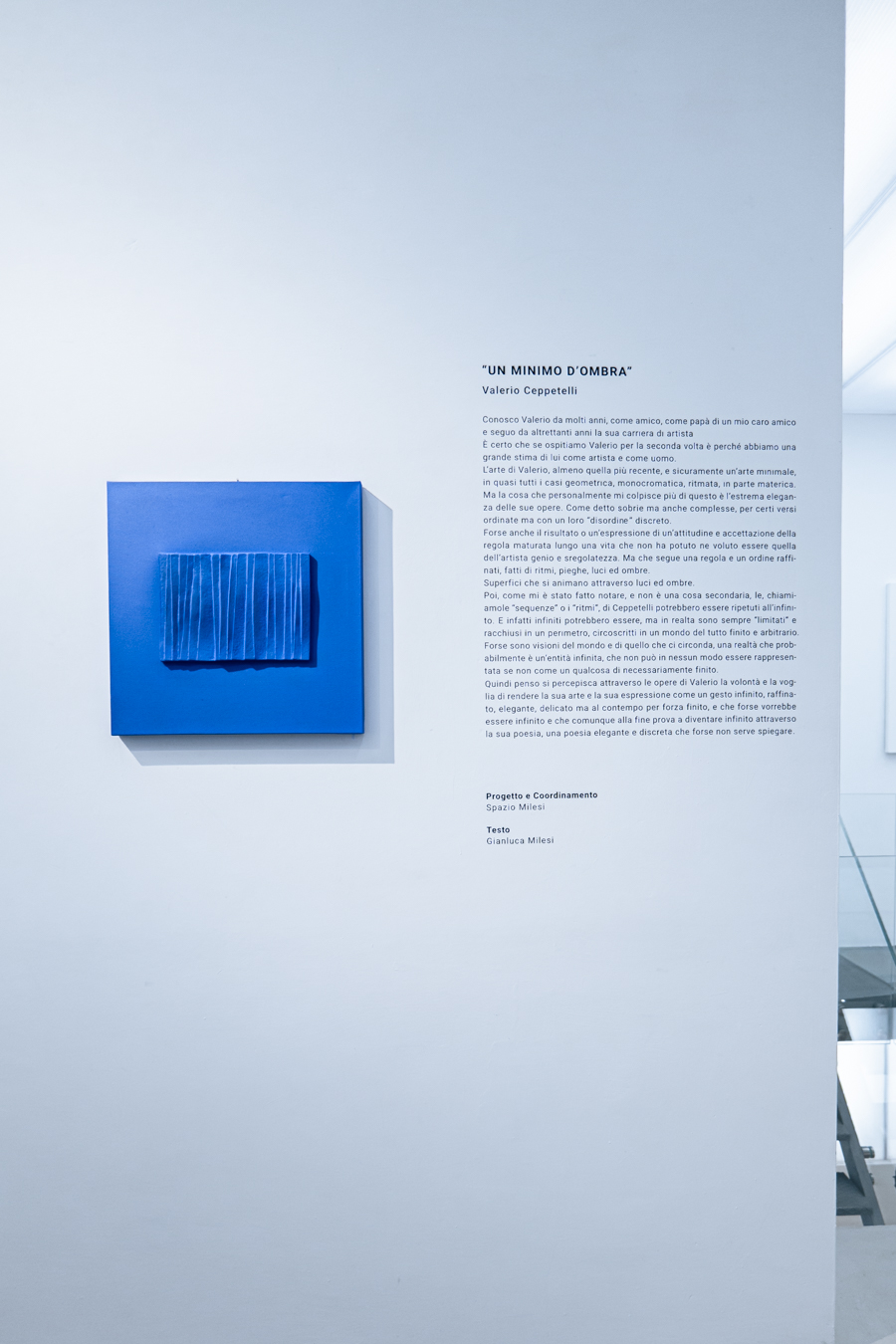
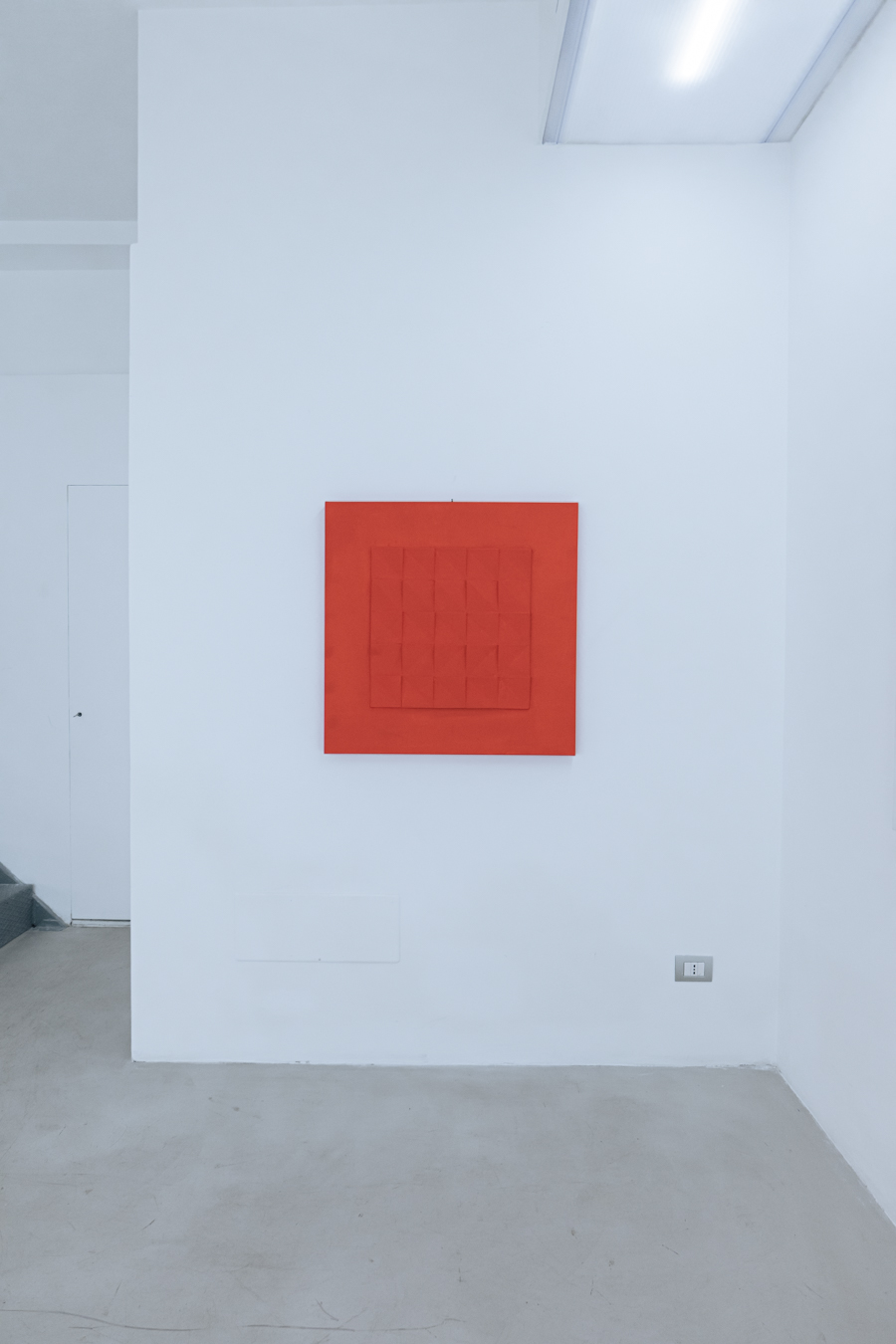
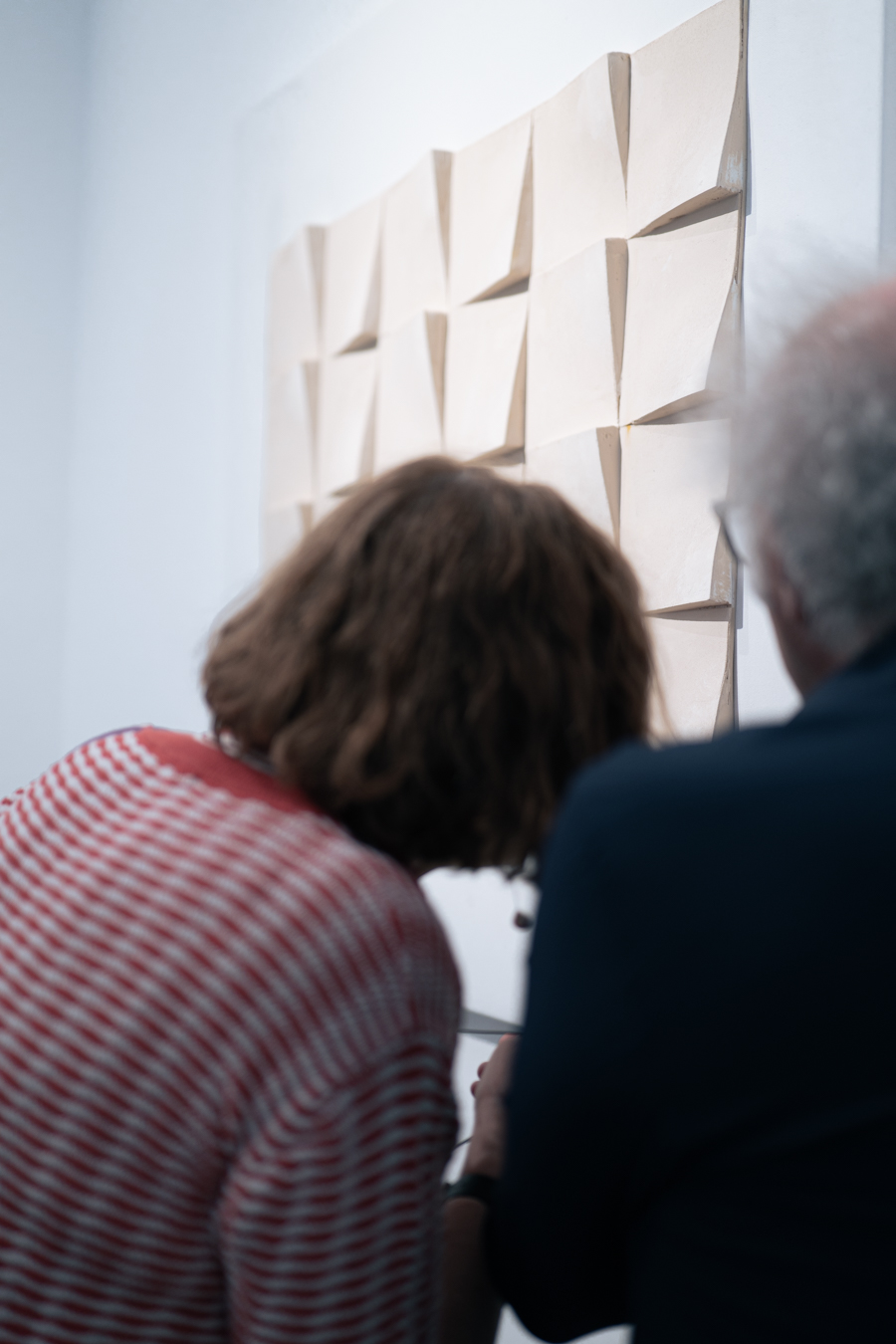
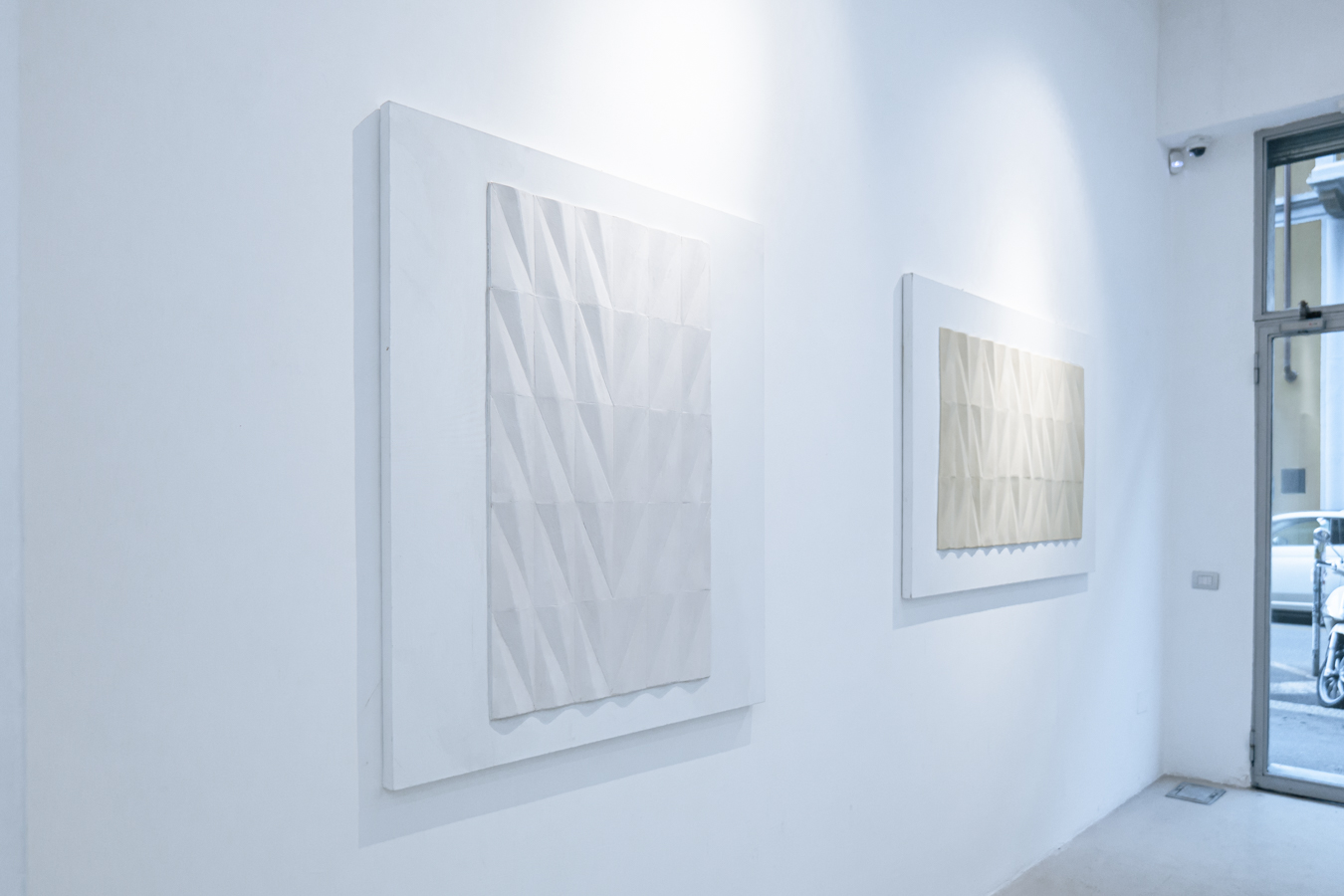
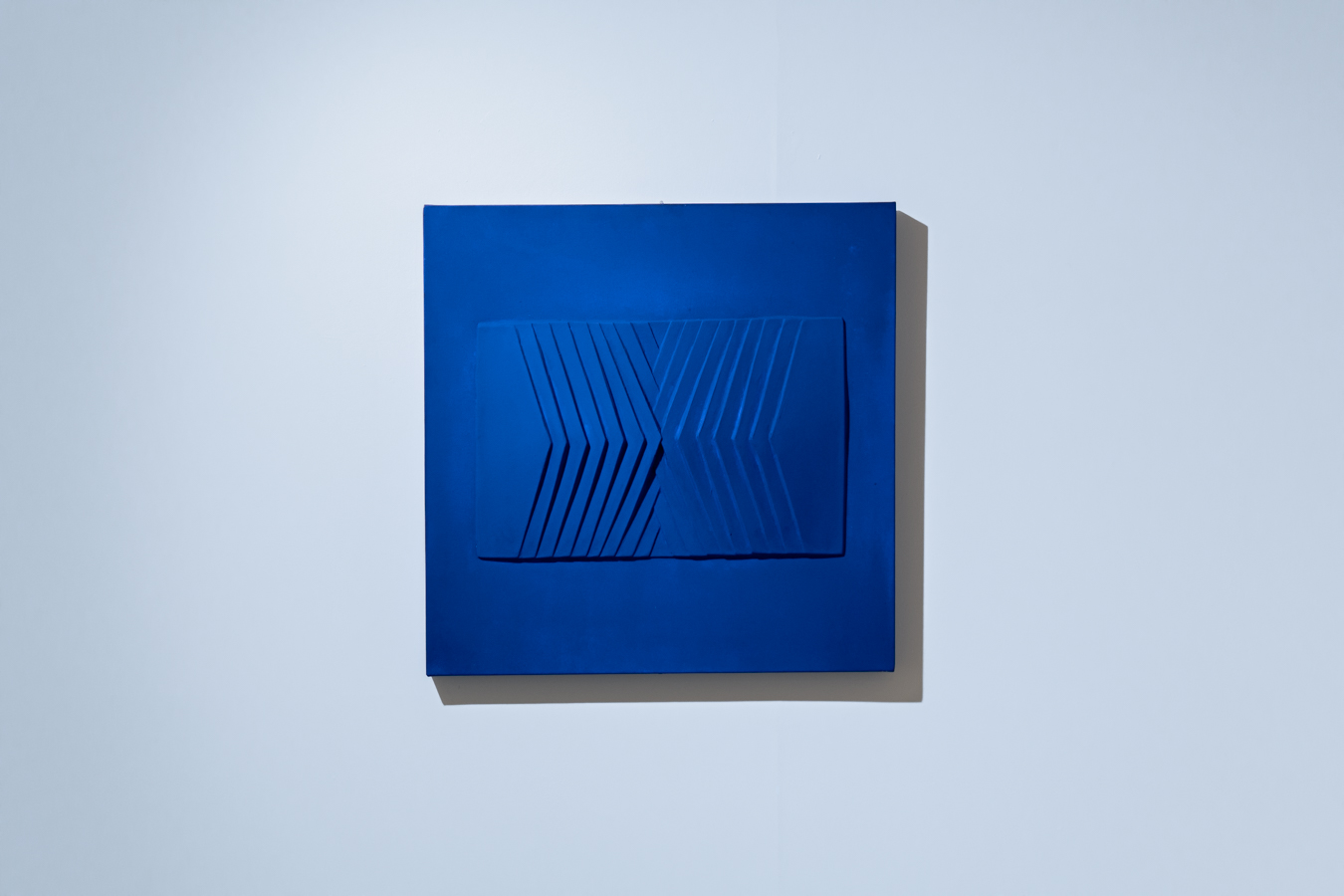
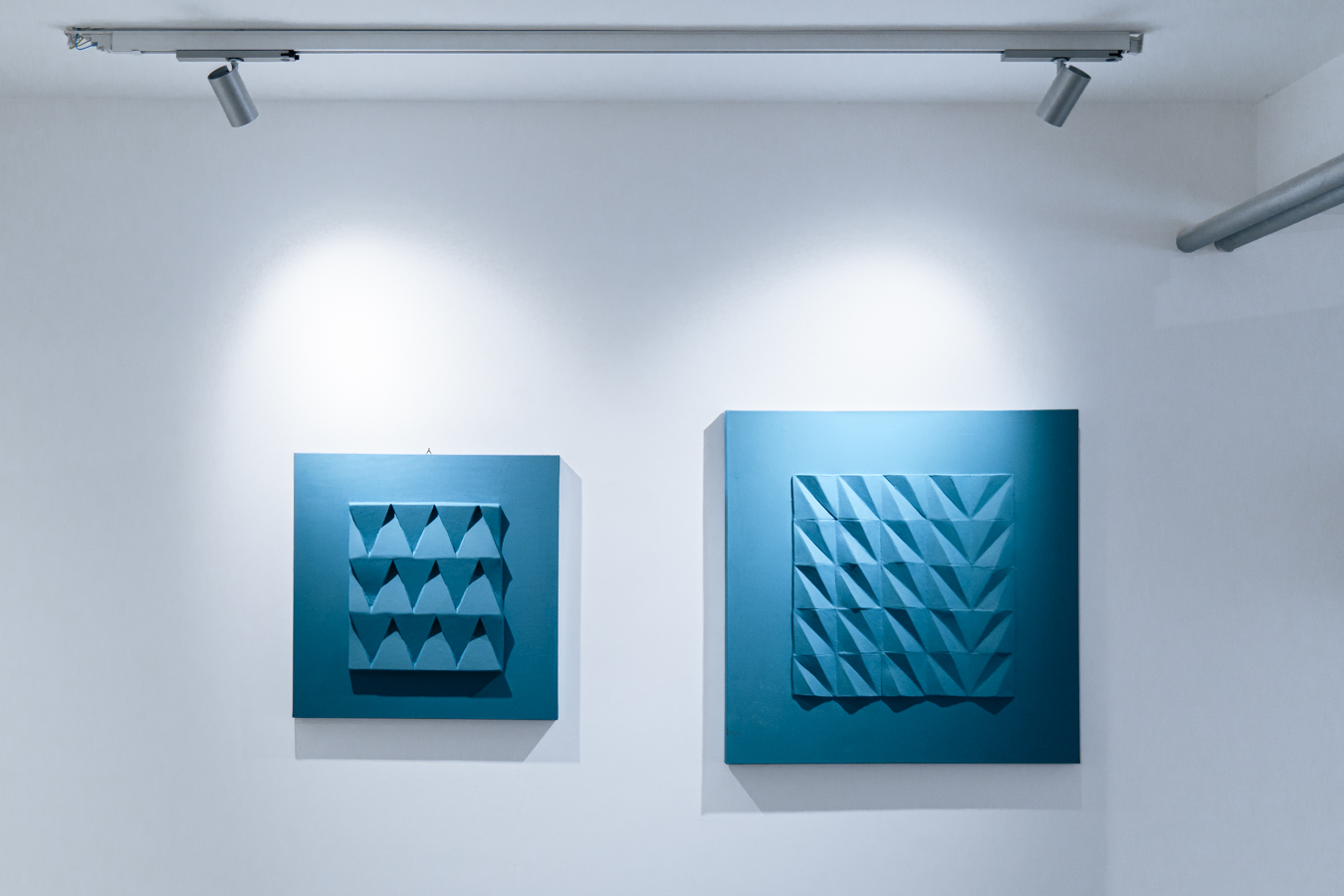
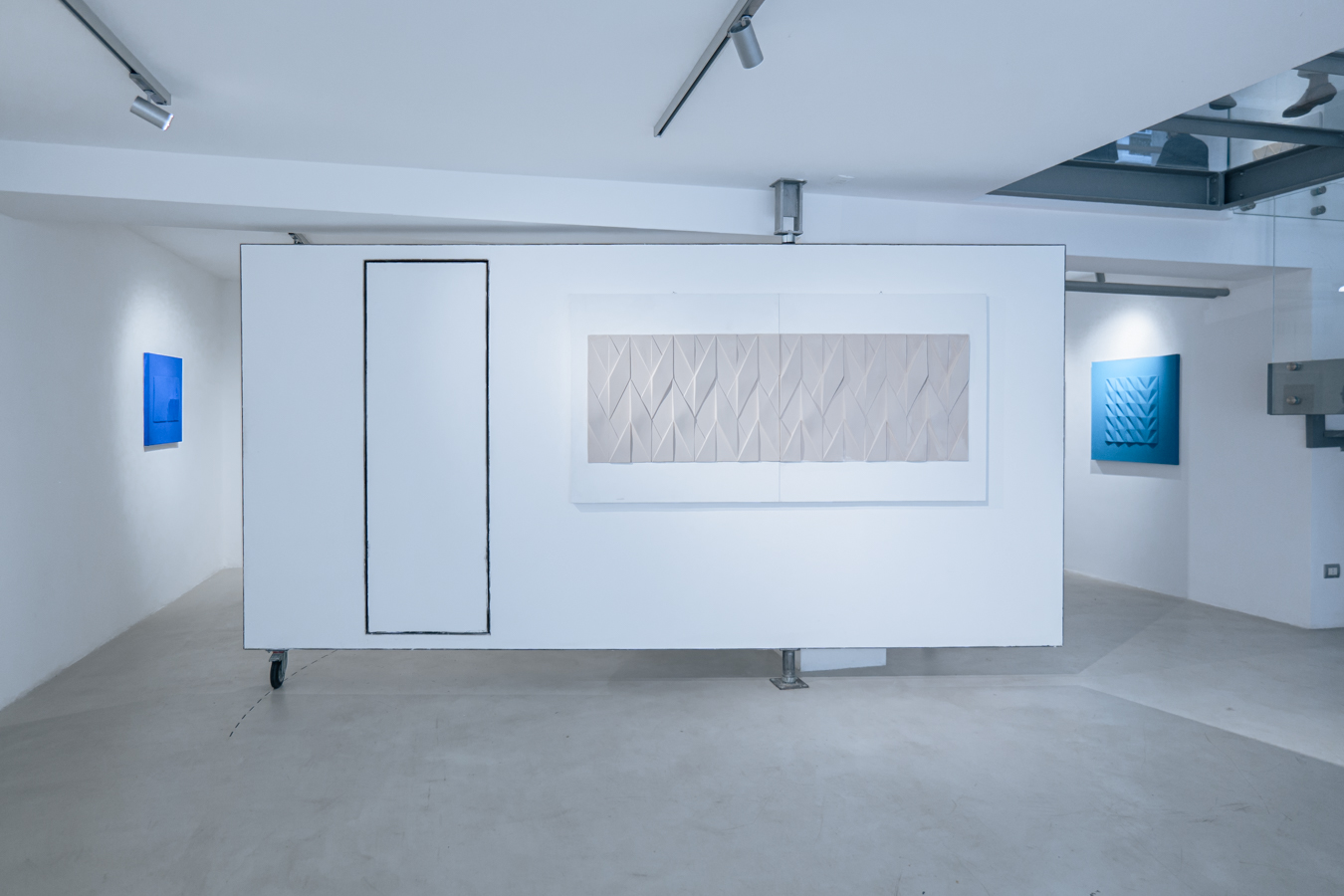
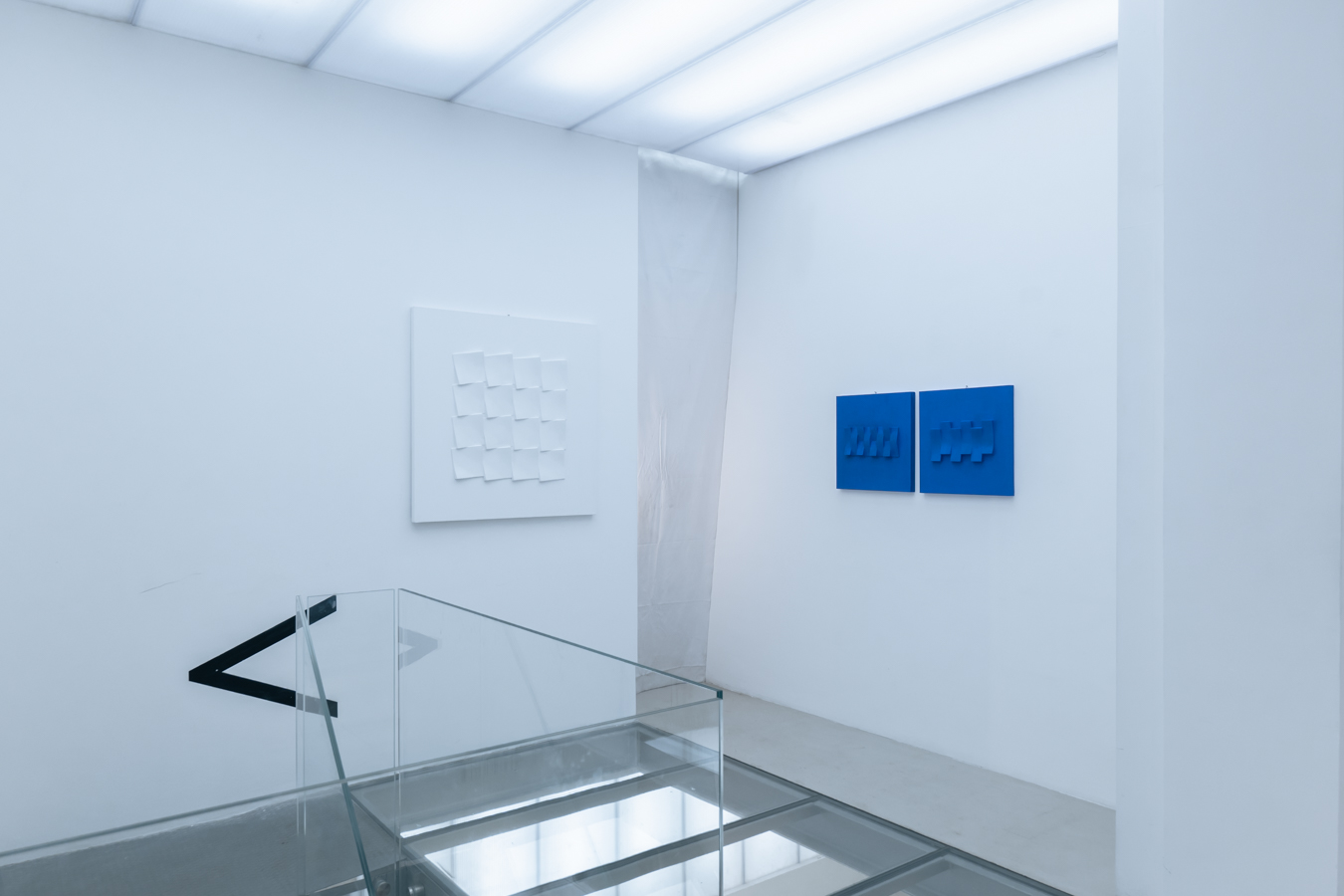
L’arte di Valerio, almeno quella più recente, è sicuramente un’arte minimale, in quasi tutti i casi geometrica, monocromatica, ritmata, in parte materica. Ma la cosa che personalmente mi colpisce più di questo è l’estrema eleganza delle sue opere. Come detto sobrie ma anche complesse, per certi versi ordinate ma con un loro “disordine” discreto. Forse anche il risultato o un’espressione di un’attitudine e accettazione della regola maturata lungo una vita che non ha potuto né voluto essere quella dell’artista genio e sregolatezza. Ma che segue una regola e un ordine raffinati, fatti di ritmi, pieghe, luci ed ombre. Superfici che si animano attraverso luci ed ombre.
Poi, come mi è stato fatto notare, e non è una cosa secondaria, le, chiamiamole “sequenze” o i “ritmi”, di Ceppetelli potrebbero essere ripetuti all’infinito. E infatti infiniti potrebbero essere, ma in realtà sono sempre “limitati” e racchiusi in un perimetro, circoscritti in un mondo del tutto finito e arbitrario. Forse sono visioni del mondo e di quello che ci circonda, una realtà che probabilmente è un’entità infinita, che non può in nessun modo essere rappresentata se non come un qualcosa di necessariamente finito. Quindi penso si percepisca attraverso le opere di Valerio la volontà e la voglia di rendere la sua arte e la sua espressione come un gesto infinito, raffinato, elegante, delicato ma al contempo per forza finito, e che forse vorrebbe essere infinito e che comunque alla fine prova a diventare infinito attraverso la sua poesia, una poesia elegante e discreta che forse non serve spiegare.
Il titolo della mostra “un minimo d’ombra” cerca di sintetizzare, benché in maniera riduttiva, quello che ho cercato di dire.” – Gianluca Popo Milesi
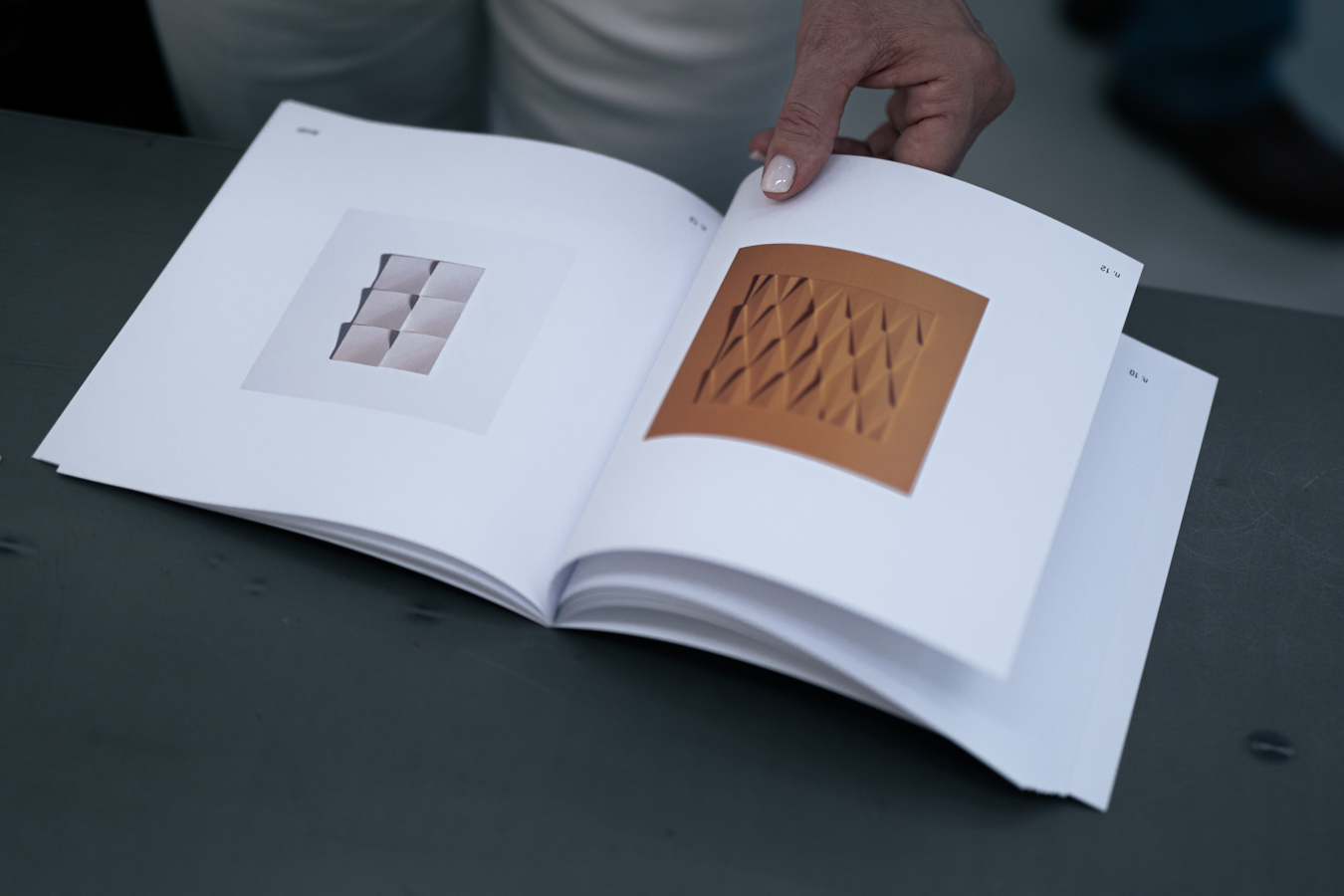
Valerio Ceppetelli Caprini (1930) vive e lavora tra Milano e Celleno. Dopo la laurea in giurisprudenza e corsi di disegno all’Accademia di Francia a Roma, affianca alla carriera professionale una continua ricerca artistica. Negli anni ’70 si avvicina al collage, influenzato dalla Minimal Art e da Josef Albers, sviluppando un linguaggio astratto fatto di geometrie essenziali. Nel 2007, grazie all’interesse di Enrico Castellani, inaugura la sua prima personale. Dal 2009 sperimenta il cartone per creare opere tridimensionali basate su luce e ombra. A partire dal 2010, il bianco domina le sue composizioni strutturali; tra il 2020 e il 2021, reintroduce il colore, mantenendo l’equilibrio tra rigore geometrico e libertà creativa.
………………………………………………………………………
“I have known Valerio for many years, as a friend, as the father of a dear friend of mine, and I have followed his career as an artist for just as long. It is certain that if we are hosting Valerio for the second time, it is because we hold him in great esteem both as an artist and as a man.
I think—and I am not the only one—that his art, which is in fact the result of an artistic practice that has probably matured over the years alongside a different professional activity, is in some way a reflection of the person and the character of the man who created it.
Valerio’s art, at least his more recent work, is certainly minimal; in almost every case geometric, monochromatic, rhythmic, and to some extent material in nature. But what personally strikes me most is the extreme elegance of his works. As I said, they are sober yet also complex; in some respects orderly, yet possessing their own discreet form of “disorder.” Perhaps this is also the result, or the expression, of an attitude toward and acceptance of rules that has matured over the course of a life that could neither, nor wished to, be that of the stereotypical artist of genius and recklessness. Instead, it follows a refined rule and order, made up of rhythms, folds, lights, and shadows. Surfaces that come alive through light and shadow.
Then, as someone pointed out to me—and this is not a secondary consideration—the “sequences” or “rhythms” in Ceppetelli’s work could be repeated endlessly. And indeed, they could be infinite; yet in reality they are always “limited” and enclosed within a perimeter, confined within a world that is entirely finite and arbitrary. Perhaps they are visions of the world and of what surrounds us: a reality that is probably infinite, and that can in no way be represented except as something necessarily finite. For this reason, I believe that through Valerio’s works one perceives the desire and the urge to make his art and his expression into an infinite gesture—refined, elegant, delicate, yet at the same time necessarily finite. A gesture that perhaps longs to be infinite, and that ultimately attempts to become infinite through its poetry: an elegant and discreet poetry that perhaps does not need to be explained.
The title of the exhibition, A Minimum of Shadow, seeks to encapsulate, albeit in a reductive way, what I have tried to express.” – Gianluca Popo Milesi
Valerio Ceppetelli Caprini (1930) lives and works between Milan and Celleno. After earning a degree in law and attending drawing courses at the French Academy in Rome, he pursued an ongoing artistic exploration alongside his professional career. In the 1970s, he turned to collage, influenced by Minimal Art and Josef Albers, developing an abstract language made of essential geometries. In 2007, thanks to the interest of Enrico Castellani, he held his first solo exhibition. Since 2009, he has been experimenting with cardboard to create three-dimensional works based on light and shadow. From 2010 onward, white has dominated his structural compositions; between 2020 and 2021, he reintroduced color, maintaining the balance between geometric rigor and creative freedom.